Limbs Removal in Honolulu, HI
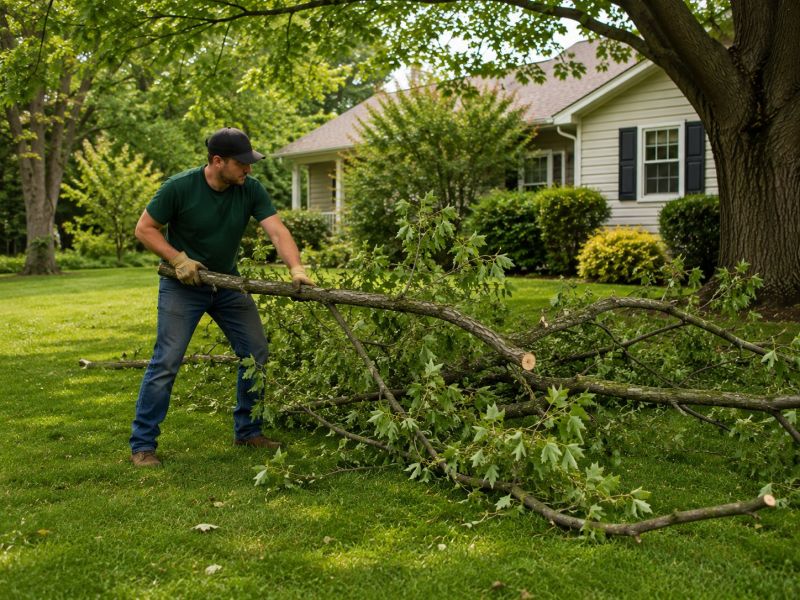
Limbs removal services involve the careful removal of trees, branches, or large plantings from residential or commercial properties. This type of work is commonly requested for clearing overgrown areas, removing hazardous or damaged limbs after storms, or preparing land for new construction or landscaping projects. Property owners typically want to understand the scope of the removal, the safety measures involved, and how the process might impact their landscape or property access.
Before requesting limbs removal, homeowners should consider the size and location of the trees or branches to be removed, as well as any potential restrictions or permits required by local regulations. It’s also helpful to understand the overall condition of the trees, whether removal is necessary for safety reasons, and how the work might affect nearby structures or utilities. Clear communication about these details can help ensure the project meets expectations and is completed efficiently.
Many property owners in Honolulu, HI look into Limbs Removal for repairs, replacements, upgrades, and appearance-related improvements.
Types Of Limb Removal Services
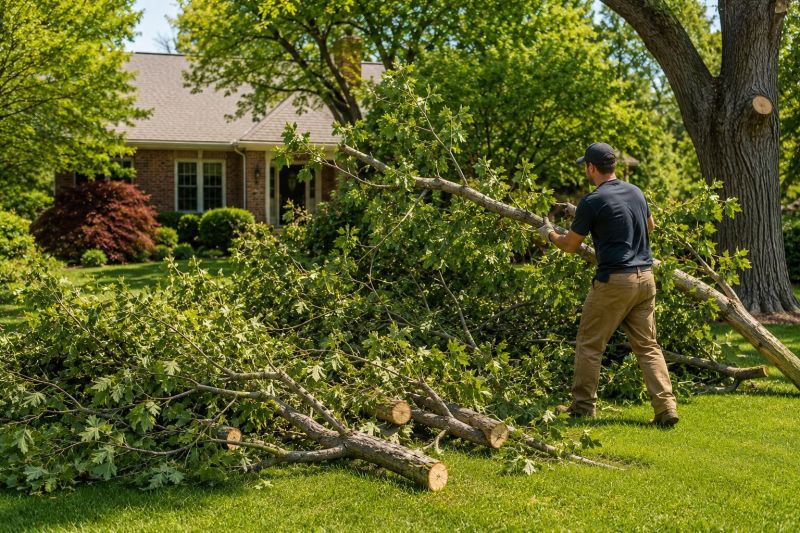
Services include both elective and emergency limb amputation for medical or safety reasons.
Preparation And Aftercare
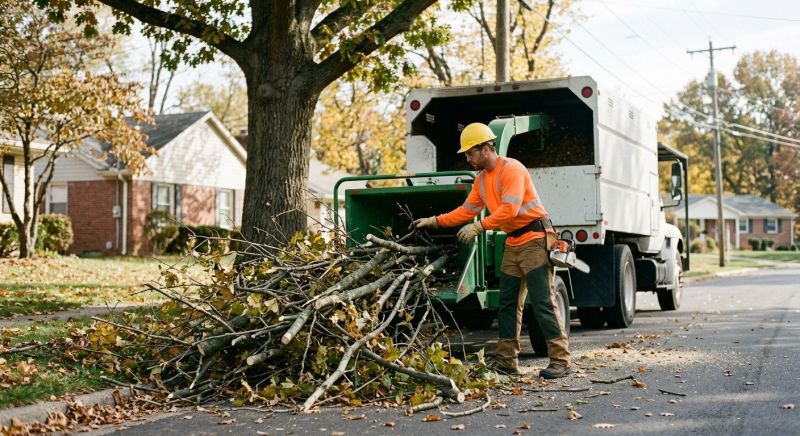
Proper planning and follow-up care are essential for recovery and comfort after limb removal procedures.
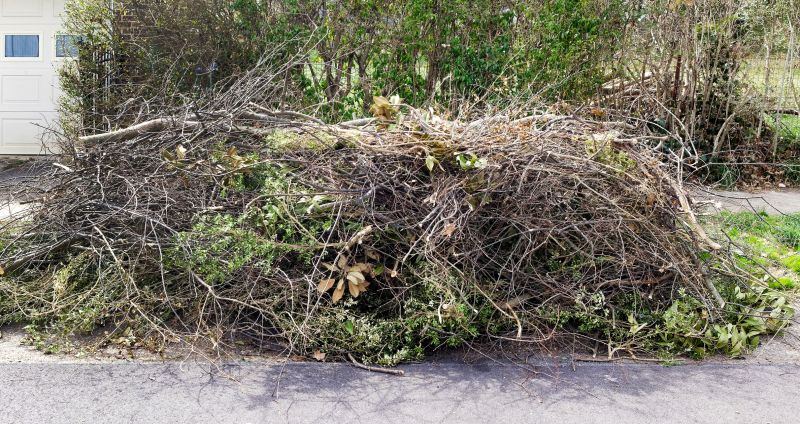
Property Considerations
Ensuring accessible pathways and suitable outdoor space can facilitate post-procedure mobility and adaptation.
Limbs Removal in Honolulu, HI
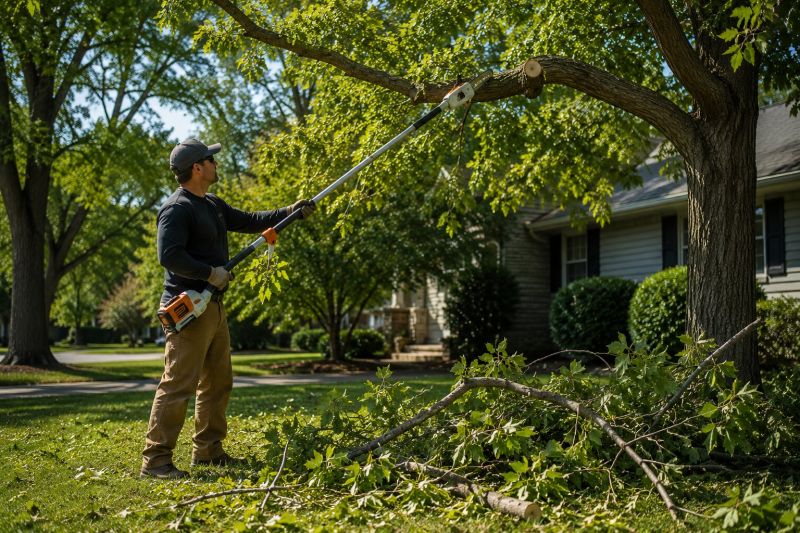
Limbs removal services involve the careful removal of trees, branches, or large plantings from residential or commercial properties. This type of work is commonly requested for clearing overgrown areas, removing hazardous or damaged limbs after storms, or preparing land for new construction or landscaping projects. Property owners typically want to understand the scope of the removal, the safety measures involved, and how the process might impact their landscape or property access.
Before requesting limbs removal, homeowners should consider the size and location of the trees or branches to be removed, as well as any potential restrictions or permits required by local regulations. It’s also helpful to understand the overall condition of the trees, whether removal is necessary for safety reasons, and how the work might affect nearby structures or utilities. Clear communication about these details can help ensure the project meets expectations and is completed efficiently.
Many property owners in Honolulu, HI look into Limbs Removal for repairs, replacements, upgrades, and appearance-related improvements.
Common Limbs Removal Jobs
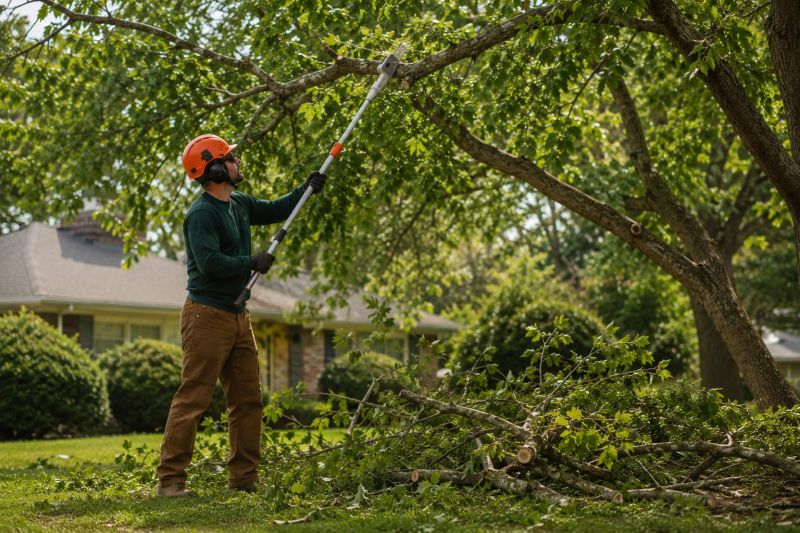
Tree limb removal - safely removing overhanging or damaged branches from trees.
Storm damage cleanup - clearing fallen or broken limbs after severe weather events.
Pruning services - trimming limbs to promote healthy growth and prevent hazards.
Dead limb removal - removing dead or decaying branches to protect property and safety.
Emergency limb removal - quick response for hazardous limbs threatening structures or power lines.
Selective limb removal - thinning specific branches to improve tree health and landscape appearance.
Limbs Removal Questions
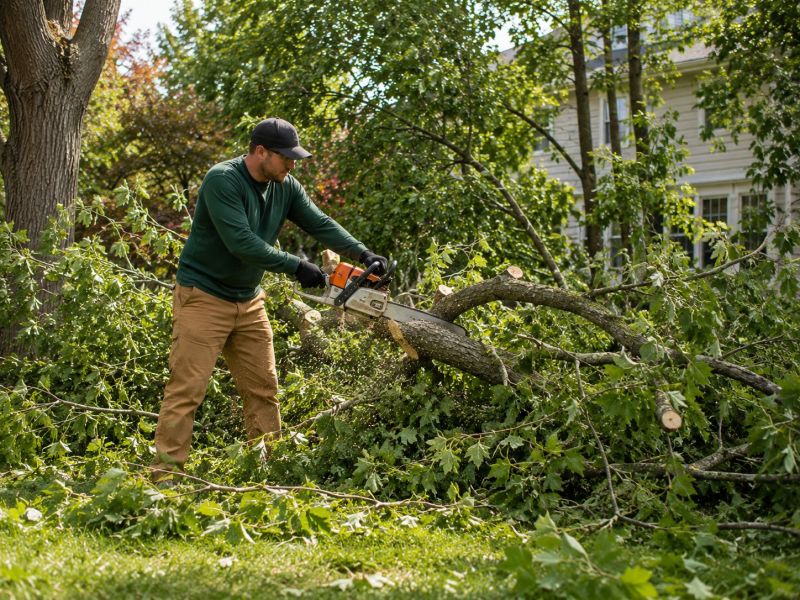
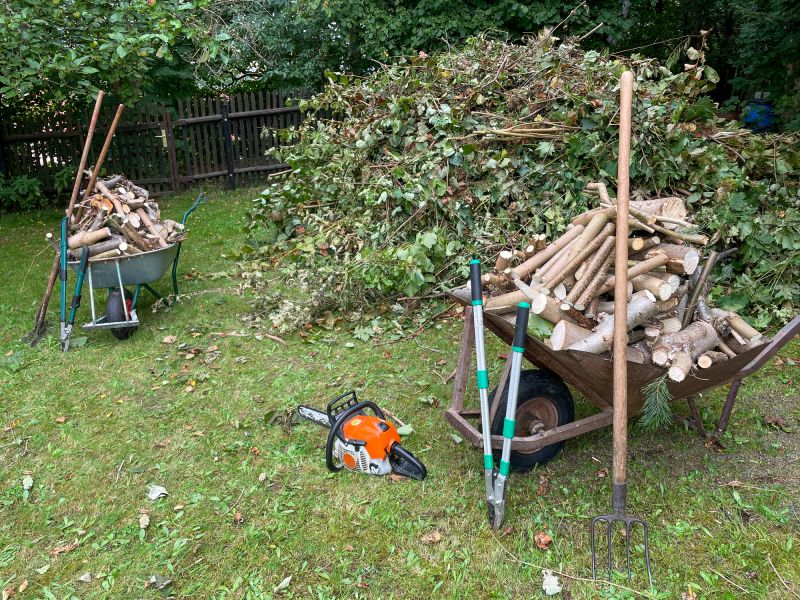
What types of limbs removal services are available? Services typically include removal of damaged or hazardous tree limbs, as well as pruning and trimming to maintain tree health and safety.
When should property owners consider limb removal? Limb removal is recommended when branches pose a risk of falling, obstruct views, or interfere with power lines and structures.
How does limb removal benefit property safety? Removing problematic limbs reduces the risk of property damage and personal injury caused by falling branches during storms or high winds.
What should property owners know about the process? The process involves assessing the tree, planning the removal, and carefully cutting to prevent damage to the tree and surrounding property.
Request Limbs Removal in Honolulu, HI
Use the quote form on this page to share the basics of your project and request more information for the type of work you need.